Early Signs of Cataracts: What to Watch For and When to Act
Understanding the early signs of cataracts can help you protect your vision and plan treatment at the right time. Cataracts are common as we age, and the early signs can be easy to brush off as “just getting older.” In reality, those subtle changes, like hazier vision, more glare from headlights, or colors that seem less vivid, are often your first clues that the natural lens inside your eye is starting to cloud.
According to estimates based on data from the National Eye Institute, more than 24.4 million Americans age 40 and olderhave cataracts, andby age 75, about half of all Americans have developed them. The good news is that cataracts usually progress slowly, and modern cataract surgery is one of the safest and most effective procedures in medicine. Catching changes early gives you and your eye doctor more control over how and when to treat them.
At Wellish Abrams Vision Institute, comprehensive eye exams and personalized cataract care help you understand what is happening in your eyes, what to watch for, and what your options are at each stage.
What Is a Cataract?
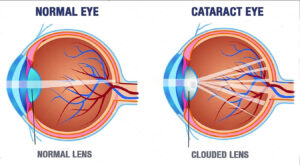
Inside each eye, a clear, flexible lens sits just behind your iris and pupil. That lens helps focus light onto the retina so you can see sharply at different distances. Over time, proteins in the lens can clump, and the lens material can stiffen and yellow. When that happens, the lens becomes cloudy, a condition called a cataract.
You can have a cataract in one eye or both eyes, and each eye may progress at a different pace.
Why Early Signs of Cataracts Matter
Cataracts tend to get worse over time. In the early stages, you may notice that you need more light for reading or that night driving feels a little harder. Later, cataracts can interfere with work, driving, hobbies, and everyday tasks.
Recognizing changes early helps you:
Confirm that cataracts are the cause of your symptoms, rather than another eye condition
Update your glasses prescription or lighting habits to stay comfortable longer
Monitor progression with your doctor and choose the right time to plan surgery
Avoid letting cataracts advance to the point where daily life feels unsafe or frustrating
Since cataracts are a leading cause of vision impairment and blindness worldwide, regular eye exams and attention to early symptoms are key parts of protecting your long-term sight.
Common Early Symptoms of Cataracts
Not everyone experiences cataracts the same way, and symptoms often come on gradually. These are among the most common early signs patients report.
Cloudy or Blurry Vision
One of the early signs of cataracts is vision that looks slightly frosted or filmy, even with an updated glasses prescription. You may feel like you are looking through a smudged window or a thin fog, especially in low-contrast situations like overcast days or dim rooms.
Trouble Seeing at Night
Night driving often becomes more challenging before daytime vision feels significantly off. Headlights, streetlights, and dashboard displays can seem dimmer or more scattered, and details on the road may be more intricate to pick out. Many patients notice they avoid driving at night long before they realize cataracts are part of the reason.
Glare and Halos Around Lights
Cataracts scatter light as it passes through the eye. That scattering can create glare, starbursts, or halos around bright lights, particularly at night. You might notice large halos around headlights, difficulty with oncoming traffic, or discomfort in bright sunlight, even with sunglasses on.
Colors That Look Faded or Yellowed
As the lens yellows, colors can lose their vibrancy. Whites may look more beige or yellow, and blues or purples may be harder to distinguish. Some patients recognize this symptom only after one eye is treated, and they compare the “new” vision with the untreated eye.
Frequent Changes in Glasses Prescription
If your reading glasses or distance prescription seems to change more often than before, cataracts may be contributing. The clouding and thickening of the lens can alter how light focuses in the eye, prompting repeated adjustments that provide only temporary relief.
Needing Brighter Light for Reading and Close Work
You may find yourself turning on more lamps, choosing higher wattage bulbs, or needing direct task lighting to read, sew, or work on a computer comfortably. That need for stronger light can be one of the quieter early signs of cataracts.
Double Vision in One Eye
Some patients experience ghosted or double images when looking through one eye, especially in certain lighting conditions. This “monocular double vision” or diplopia may be due to lens changes caused by cataracts.
How Routine Eye Exams Detect Cataracts Early
Because the early signs of cataracts can be subtle, regular eye exams are an essential part of staying ahead of changes in your vision. During a routine exam, your eye doctor at Wellish Abrams Vision Institute will typically:
Review your vision history and any new symptoms or difficulties
Measure your prescription and check how well each eye sees with correction
Measure intraocular pressure to screen for glaucoma
Dilate your pupils when appropriate to view the lens, retina, and optic nerve in detail
Even small cataracts can be seen and documented during a dilated exam, often before you notice significant symptoms. Your doctor will explain what they see, how advanced the cataracts are, and whether a “watch and wait” approach or a more active plan makes sense.
Can You Slow Cataract Progression?
Cataracts cannot be reversed with drops, supplements, or exercises. The only way to remove a cataract is through surgery that replaces the cloudy lens with a clear artificial lens.
However, you can support your overall eye health and possibly slow progression by:
Wearing quality sunglasses and a wide-brimmed hat in bright sun
Eating a balanced diet with leafy greens, colorful fruits, and foods rich in antioxidants
Following your doctor’s guidance on steroid medications, which can accelerate cataract formation
These steps are not a cure, but they help protect the delicate tissues inside the eye and support healthier aging.
Cataract Treatment When Symptoms Affect Daily Life
In early stages, updated glasses, brighter lighting, and simple adjustments are often enough to keep you comfortable. As cataracts progress, you may notice that they interfere with:
Night driving and glare from headlights
Work tasks, especially in lower light
Reading, cooking, or hobbies like sewing and golf
Recognizing faces or seeing fine details
When that happens, cataract surgery becomes the most effective option. Cataract surgery gently removes the cloudy natural lens and replaces it with a clear intraocular lens (IOL) selected to match your visual needs.
It is typically performed as an outpatient procedure
Takes only minutes per eye in experienced hands
Has a very high success rate, with most patients achieving significantly clearer vision and improved quality of life
At Wellish Abrams Vision Institute, your cataract surgeon will walk you through IOL options, from standard lenses to advanced lenses that can address astigmatism or reduce your dependence on glasses. Together, you will decide when the timing feels right based on your lifestyle, vision goals, and overall health.
Next Steps if You Notice the Early Signs of Cataracts
Noticing the early signs of cataracts does not mean you need surgery right away, but it does mean your eyes deserve a closer look. The sooner you understand what is happening, the more confident you can feel about your vision and your options.
If you are seeing more glare at night, needing brighter light to read, or feeling like your glasses never seem quite right anymore, schedule a comprehensive eye exam at Wellish Abrams Vision Institute. Our team will examine your eyes carefully, explain any changes in clear, simple language, and help you plan the following steps, whether that is monitoring, updating your prescription, or discussing cataract surgery.
You do not have to navigate these changes alone. Schedule today and book an eye exam and take a proactive step toward clearer, more comfortable vision.
FAQ: Early Signs Of Cataracts
Early signs of cataracts can include cloudy or blurry vision, glare around lights, trouble seeing at night, faded colors, frequent prescription changes, and needing brighter light to read. These changes often develop slowly, so a comprehensive eye exam can help confirm whether cataracts are the cause.
Yes. Cataracts can scatter light as it enters the eye, which may create glare, halos, or starbursts around headlights, streetlights, and other bright lights. Many people first notice this while driving at night or spending time in bright sunlight.
No. Early cataracts do not always need surgery right away. If symptoms are mild, your eye doctor may recommend updated glasses, better lighting, anti-glare lenses, or regular monitoring. Cataract surgery becomes a stronger option when vision changes interfere with driving, reading, work, hobbies, or daily life.
Yes. A comprehensive eye exam can detect cataracts even when symptoms are still subtle. Your eye doctor can examine the lens, check your prescription, evaluate your overall eye health, and explain whether your cataracts should be monitored or treated.
No. Cataracts cannot be reversed with eye drops, supplements, exercises, or lifestyle changes. Healthy habits may support overall eye health, but cataract surgery is the only way to remove a cloudy lens and replace it with a clear artificial lens.
Schedule an eye exam if you notice cloudy vision, worsening glare, halos around lights, trouble driving at night, faded colors, or frequent changes in your glasses prescription. At Wellish Abrams Vision Institute, your care team can determine whether cataracts are causing your symptoms and help you understand your options.
Related Posts
Schedule Your Eye Exam Today
If blurry vision, eye strain, changing prescriptions, dry eyes, or trouble seeing clearly is affecting your daily life, it may be time to schedule a comprehensive eye exam. Wellish Abrams Vision Institute provides eye care for patients in Las Vegas, Henderson, and nearby Southern Nevada communities.
To provide the best experiences, we use technologies like cookies to store and/or access device information. Consenting to these technologies will allow us to process data such as browsing behavior or unique IDs on this site. Not consenting or withdrawing consent, may adversely affect certain features and functions.
Functional
Always active
The technical storage or access is strictly necessary for the legitimate purpose of enabling the use of a specific service explicitly requested by the subscriber or user, or for the sole purpose of carrying out the transmission of a communication over an electronic communications network.
Preferences
The technical storage or access is necessary for the legitimate purpose of storing preferences that are not requested by the subscriber or user.
Statistics
The technical storage or access that is used exclusively for statistical purposes.The technical storage or access that is used exclusively for anonymous statistical purposes. Without a subpoena, voluntary compliance on the part of your Internet Service Provider, or additional records from a third party, information stored or retrieved for this purpose alone cannot usually be used to identify you.
Marketing
The technical storage or access is required to create user profiles to send advertising, or to track the user on a website or across several websites for similar marketing purposes.