Tube Shunts for Glaucoma

Tube shunts are traditional glaucoma surgery devices that help lower eye pressure when medications, laser treatment, or minimally invasive glaucoma surgery no longer provide enough control. They cannot cure glaucoma or restore vision already lost, but they may help protect the optic nerve and slow additional vision damage.

At Wellish Abrams Vision Institute, tube shunt surgery is part of advanced glaucoma care for patients in Las Vegas, Henderson, and surrounding Southern Nevada communities. A glaucoma specialist will evaluate the type and severity of glaucoma, previous treatments, eye pressure, and overall eye health before recommending surgery.

An illustration of tube shunts showing the improved aqueous fluid flow and decreased IOP

How Tube Shunts Lower Eye Pressure

A tube shunt, also called an aqueous shunt or glaucoma drainage implant, is a small device placed inside the eye during surgery. It contains a thin tube connected to a small plate.
The tube directs aqueous fluid away from the front of the eye. The plate sits beneath the tissue covering the eye, where the fluid collects and is gradually absorbed by the body.
By creating a new drainage pathway, the device can lower intraocular pressure and reduce stress on the optic nerve.
Common tube shunt designs include the Ahmed glaucoma valve and Baerveldt glaucoma implant. These devices manage fluid flow differently, so the surgeon will select an option based on the patient’s glaucoma, target pressure, eye anatomy, previous procedures, and recovery needs.

Tube Shunts and Traditional Glaucoma Surgery

Traditional glaucoma surgery generally includes two main approaches:

  • Trabeculectomy, which creates a new drainage opening in the eye
  • Tube shunt surgery, which uses an implanted tube and plate to redirect fluid

Both procedures aim to lower eye pressure more significantly than many less invasive options. Tube shunts are often considered when a surgeon needs a strong, dependable drainage pathway or when previous eye surgery makes trabeculectomy less suitable.

Explore Other Glaucoma Treatment Options

Imagery of the iDose TR implant device.

iDose® TR

Implant that delivers glaucoma medication, reducing daily drops.

Learn about iDose TR
Imagery of selective laser trabeculoplasty surgical process.

SLT

Selective Laser Trabeculoplasty  reduces pressure by improving fluid outflow

Learn more about SLT
Imagery showing where a minimally invasive glaucoma stent would be implanted.

MIGS

Minimally Invasive Glaucoma Surgery is a small-incision surgery that lowers eye pressure.

Learn about MIGS

When Tube Shunt Surgery May Be Recommended

A glaucoma surgeon may recommend a tube shunt when the disease has become difficult to control or when the eye needs a lower target pressure than medications, laser treatment, or MIGS can provide.

Common reasons include:

Eye pressure remains above the target range despite multiple treatments

Testing or visual field testing shows additional damage

Minimally invasive glaucoma surgery did not lower pressure enough, or MIGS is not appropriate for the type or severity of glaucoma.

The eye has undergone previous glaucoma, cataract, corneal, or retinal surgery

May reduce the effectiveness of another procedure

The patient has advanced, secondary, or treatment-resistant glaucoma

The surgeon needs to reach a lower pressure to help protect remaining vision

Tube shunt surgery is not usually the first treatment offered after a glaucoma diagnosis. It is generally reserved for cases that require stronger or more predictable pressure reduction.

Senior patient relaxing comfortably while receiving postoperative eye drops from a healthcare professional, demonstrating routine care and recovery following glaucoma tube shunt surgery.

What to Expect From Tube Shunt Surgery

Tube shunt surgery is usually performed in an outpatient surgery center. The eye is numbed, and medication may be provided to help the patient remain relaxed and comfortable.

During surgery, the ophthalmologist places the plate beneath the tissue covering the eye. The small tube is positioned so fluid can leave the eye through the new drainage pathway.

The patient normally returns home the same day and will need someone else to provide transportation.

Recovery and Follow-Up Care

Vision may appear blurry during the early recovery period. Mild irritation, redness, swelling, or a feeling that something is in the eye may also occur.

Prescription eye drops help reduce inflammation and lower the risk of infection. Patients should avoid rubbing the eye, heavy lifting, strenuous exercise, swimming, and other activities restricted by the surgeon.

Follow-up appointments allow the glaucoma specialist to:

1

Check eye pressure

2

Examine the tube and surgical site

3

Monitor healing around the plate

4

Adjust prescription eye drops

5

Watch for inflammation or infection

6

Determine whether additional glaucoma medication is needed

Initial healing takes place over several weeks, but eye pressure may continue to change as the tissue around the implant heals. Attending every scheduled follow-up visit is an important part of the treatment.

Benefits and Limitations of Tube Shunts

Tube shunts may provide substantial and lasting eye pressure reduction for people with advanced or complex glaucoma.

Potential benefits include:

  • A new pathway for fluid drainage
  • Lower intraocular pressure
  • Reduced risk of additional optic nerve damage
  • Possible reduction in glaucoma medications
  • Long-term pressure management

However, tube shunts do not eliminate glaucoma. Patients will still need lifelong eye pressure checks, optic nerve imaging, visual field testing, and other glaucoma monitoring.

Some patients may continue using one or more glaucoma medications after surgery. Additional procedures may also become necessary if pressure rises again or the glaucoma progresses.

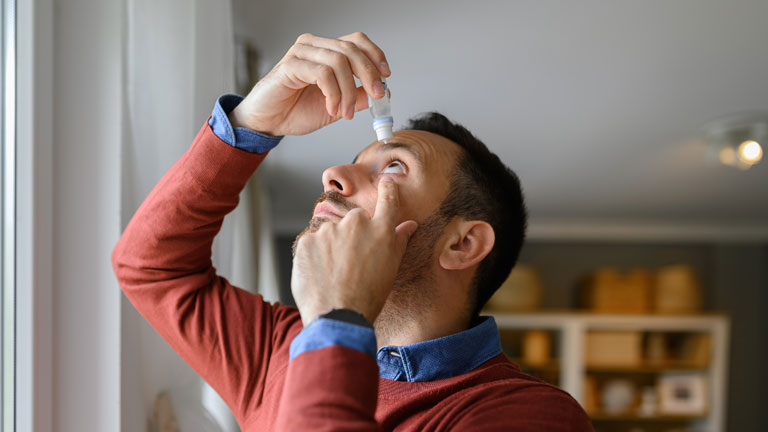
Man administering glaucoma eye drops into his eye as part of a daily treatment routine to help lower intraocular pressure and protect vision.

Protect More of the Vision You Have

The glaucoma specialists at Wellish Abrams Vision Institute offer personalized medical, laser, minimally invasive, and traditional surgical treatment options throughout Las Vegas and Henderson.

Learn whether tube shunt surgery is for you.

FAQ: Tube Shunts for Glaucoma

Tube shunts are implanted glaucoma drainage devices that create a new pathway for fluid to leave the eye. The device includes a small tube and plate that work together to lower intraocular pressure.

No. Both are forms of traditional glaucoma surgery, but they create drainage pathways differently. Trabeculectomy creates a new opening using the eye’s tissue, while tube shunt surgery uses an implanted tube and plate.

Tube shunts may be recommended when medications, laser treatment, or minimally invasive glaucoma surgery have not lowered eye pressure enough. They may also be used for advanced glaucoma, complex glaucoma, or eyes that have undergone previous surgery.

An Ahmed glaucoma valve uses a valve designed to regulate fluid flow soon after surgery. A Baerveldt glaucoma implant does not contain the same type of valve, so the surgeon may temporarily restrict fluid flow while the eye heals. The surgeon will recommend the device that best fits the patient’s eye and pressure goals.

No. Tube shunts do not cure glaucoma or reverse optic nerve damage. They help lower eye pressure to reduce the risk of further damage.

Early healing generally occurs over the first several weeks, but pressure stabilization may take longer. Prescription drops and follow-up appointments are required while the surgeon monitors healing.

Possibly. Some patients reduce the number of glaucoma medications they use, while others still need drops to keep pressure within the target range.

Tube shunts are designed to provide long-term drainage and usually remain in the eye permanently. Glaucoma still requires lifelong monitoring, and additional treatment may be needed over time.

Wellish Abrams Vision Institute provides advanced glaucoma evaluations and treatment options for patients in Las Vegas, Henderson, and nearby Southern Nevada communities.