Contact Lens Intolerance and How to Relieve It: When Contacts Stop Feeling Comfortable
Contact lens intolerance and how to relieve it starts with understanding why your lenses hurt, how to protect your eyes, and when it may be time to consider other vision correction options.
Many patients love the freedom of contacts, until their eyes start to feel dry, irritated, or painful halfway through the day. Contact lens intolerance and how to relieve it is one of the most common topics we discuss with people who have worn lenses for years without problems.
Contact lens intolerance, sometimes called contact lens discomfort, occurs when lenses that once felt fine now cause burning, dryness, or a “foreign body” sensation whenever you wear them. Large studies show that discomfort and dryness are major reasons people cut back on contact lens wear or stop wearing them altogether. The good news, in many cases, is that you do not have to simply “give up” on comfortable vision.
What Is Contact Lens Intolerance?
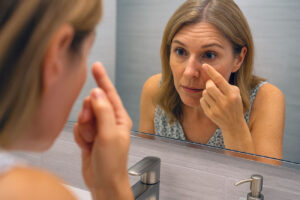
Contact lens intolerance is ongoing discomfort, dryness, or pain that is directly related to wearing contacts. It can show up in new wearers, but it is especially common in longtime wearers whose eyes have gradually become more sensitive.
Symptoms can include:
Burning, stinging, or scratchy eyes
Redness that worsens as the day goes on
Blurry or fluctuating vision that improves when you blink or remove your lenses
Feeling like the lens is “stuck” or like something is in your eye
Experts describe contact lens discomfort as repeated or persistent adverse sensations specifically linked to lens wear, often driven by changes in the tear film and the eye’s surface.
If you notice these symptoms most days you wear your contacts, or if you can only tolerate your lenses for a few hours, it is time to talk with an eye doctor.
Why Comfortable Contacts Suddenly Start to Hurt
Contact lens intolerance is usually caused by multiple factors working together. Common triggers include:
Wear and care habits Sleeping or napping in contact lenses, and stretching replacement schedules, “topping off” solution in the case, or rinsing lenses with water all increase the risk of irritation and infection. CDC+2
Dry eye and reduced tear quality Contacts sit on top of your tear film, so any dryness becomes more noticeable. Research shows that contact lens wearers have higher rates of dry eye symptoms than people who do not wear lenses.
Solution or material sensitivity Some people react to preservatives in multi-purpose solutions or to certain lens materials, which can cause burning, stinging, or redness.
Allergies and deposits Allergens and protein deposits can build up on the lens surface, leading to itchiness and bumps under the eyelids, which can make lens wear uncomfortable.
Poor fit or an outdated prescription Eyes change over time. A lens that no longer matches the shape of your eye, or a prescription that is off, can increase friction and visual strain.
Five Ways to Relieve Contact Lens Intolerance
For many people, contact lens intolerance can be improved or even reversed with the right plan. These steps are a helpful place to start, but they work best when you partner with an eye doctor who can look at the health of your eyes in detail.
1. Check Your Wear and Care Routine
Healthy habits are the foundation of comfortable contact lens wear. National guidelines consistently recommend that wearers:
Avoid sleeping or showering in contact lenses unless specifically approved.
Replace lenses as often as directed.
Wash and dry your hands before handling lenses.
Use fresh solution every time, and keep lenses away from tap water.
If your symptoms began after switching to a new solution, that product may be part of the problem. Your eye doctor may suggest a preservative-free or hydrogen peroxide–based system instead.
2. Use Lubricating Drops Safely
If your main complaint is dryness, artificial tears or lubricating drops that are safe with contacts can provide short-term relief. Preservative-free options are often more comfortable for frequent use.
However, needing drops many times a day is a sign that your eyes need more than over-the-counter relief. Persistent dryness can indicate underlying dry eye disease that warrants a proper workup.
3. Support Tear Quality With Lifestyle and Nutrition
Your tears are a mix of water, oil, and mucus. When that balance is off, lenses feel dry and sticky much faster.
Simple changes can help:
Stay well hydrated throughout the day
Blink fully and often during long periods of screen time
Avoid cigarette smoke and direct air vents that blow across your eyes
Ask your eye doctor whether omega-3 supplements or other nutritional changes could support your tear film
Your doctor can also check your oil glands and recommend targeted dry eye treatments when needed.
4. Give Your Eyes Regular Breaks in Glasses
If your eyes feel sore by the end of the day, or your wearing time keeps shrinking, building “glasses days” into your week can give the surface of your eye time to recover.
Many patients choose to wear lenses only for work, sports, or social events, then switch to glasses at home. If you still cannot tolerate contacts even part-time, it is a strong signal to schedule an exam.
5. Consider Vision Correction Surgery When Contacts Are No Longer Working
For some patients, the most effective way to relieve contact lens intolerance is to reduce or remove the need for contacts altogether. At Wellish Abrams Vision Institute, we offer several vision correction procedures, including LASIK, PRK, and EVO ICL lenses.
These procedures can correct common refractive errors, such as nearsightedness, farsightedness, and astigmatism, and often allow you to enjoy clear vision without the ongoing dryness, irritation, and risk of infection that can come with contacts. Your surgeon will perform a detailed exam and help you decide which option is safest for your eyes and lifestyle.
When Should You Stop Wearing Contacts and Call an Eye Doctor?
Mild end-of-day dryness is common, but some symptoms should never be ignored. Remove your contacts and call an eye doctor right away if you notice:
Even if your symptoms are mild, an annual eye exam is important to confirm that your lenses still fit well and are not harming the surface of your eye.
FAQ About Contact Lens Intolerance and How to Relieve It
Q: Is contact lens intolerance mostly about dry eye, and how to relieve it? A:Dry eye is one of the most common drivers of contact lens intolerance, but it is not the only cause. Lens fit, material, cleaning solutions, allergies, and screen time can all play a role. That is why a full eye exam is so important, rather than just trying new drops on your own.
Q: Can I fix contact lens intolerance just by changing brands or using more drops? A: Sometimes switching to a different lens or solution helps, but long-term relief usually requires a bigger plan. That might include better wear-and-care habits, specific dry eye treatments, shorter wearing schedules, or moving to vision correction surgery.
Q: When should I start thinking about LASIK instead of fighting with my contacts? A: If your contacts are uncomfortable most days, if you worry about infections, or if you simply cannot wear lenses as long as you need to, it is reasonable to ask whether LASIK, PRK, or EVO ICL could be a better fit. A consultation at Wellish Abrams Vision Institute will help you compare your options and decide what is safest for your eyes.
Next Steps for Comfortable, Clear Vision
If your contacts no longer feel like the easy option they once were, you are not alone. Contact lens intolerance is common, and there are many ways to improve comfort, protect your eye health, and keep your vision clear.
If you are frustrated by ongoing contact lens discomfort or you are ready to explore more permanent vision correction, schedule a consultation at Wellish Abrams Vision Institute. Our team will evaluate your eyes, look for the root cause of your symptoms, and help you build a plan, from better contact lens strategies to vision correction surgery, so you can see comfortably again.
Related Posts
Schedule Your Eye Exam Today
If blurry vision, eye strain, changing prescriptions, dry eyes, or trouble seeing clearly is affecting your daily life, it may be time to schedule a comprehensive eye exam. Wellish Abrams Vision Institute provides eye care for patients in Las Vegas, Henderson, and nearby Southern Nevada communities.
To provide the best experiences, we use technologies like cookies to store and/or access device information. Consenting to these technologies will allow us to process data such as browsing behavior or unique IDs on this site. Not consenting or withdrawing consent, may adversely affect certain features and functions.
Functional
Always active
The technical storage or access is strictly necessary for the legitimate purpose of enabling the use of a specific service explicitly requested by the subscriber or user, or for the sole purpose of carrying out the transmission of a communication over an electronic communications network.
Preferences
The technical storage or access is necessary for the legitimate purpose of storing preferences that are not requested by the subscriber or user.
Statistics
The technical storage or access that is used exclusively for statistical purposes.The technical storage or access that is used exclusively for anonymous statistical purposes. Without a subpoena, voluntary compliance on the part of your Internet Service Provider, or additional records from a third party, information stored or retrieved for this purpose alone cannot usually be used to identify you.
Marketing
The technical storage or access is required to create user profiles to send advertising, or to track the user on a website or across several websites for similar marketing purposes.