Can a Cataract Come Back? Understanding Posterior Capsular Opacification
Can a cataract come back after cataract surgery in Las Vegas or Henderson? The short answer is no; a cataract cannot grow back once it has been removed. However, some patients in Southern Nevada notice cloudy, hazy, or blurry vision months or years after cataract surgery. In many cases, the cause is a common condition called posterior capsular opacification, also known as PCO or a “secondary cataract.”
At Wellish Abrams Vision Institute, patients throughout Las Vegas, Henderson, Summerlin, Spring Valley, Paradise, North Las Vegas, and nearby Southern Nevada communities can get help understanding why vision may seem cloudy again after cataract surgery. If your sight has become hazy after cataract removal, learning what PCO is and how it is treated can help you know what to expect and when to schedule care with a local cataract specialist.
Why Cataracts Cannot Come Back
During cataract surgery, your surgeon removes the eye’s natural lens, the part of the eye that developed the cataract. Once that lens is removed, it cannot grow back.
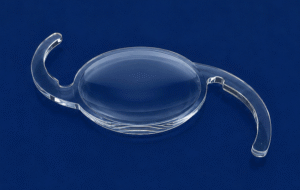
However, the thin membrane that supports the new lens remains in the eye. Over time, that membrane can become cloudy, causing symptoms that feel very similar to those of the original cataract.
What Is Posterior Capsular Opacification?
Posterior capsular opacification occurs when cells remaining after cataract surgery gradually collect on the back portion of the lens capsule. This can make the capsule appear cloudy or frosted. As the clouding develops, light has a harder time passing clearly through the eye.
Many patients describe the symptoms as feeling like their cataract has returned.
Common symptoms include:
Blurry or hazy vision
Increased glare from headlights
Difficulty driving at night
Reduced contrast sensitivity
Colors appear less vibrant
A gradual decline in visual clarity
PCO is one of the most common long-term complications after cataract surgery.
How Long After Cataract Surgery Can PCO Develop?
There is no single timeline.
Some patients develop posterior capsular opacification within a few months of surgery, while others may not experience it for several years. Some patients never develop it.
The likelihood depends on several factors, including age, healing response, lens type, and individual eye characteristics.
Because symptoms often develop gradually, many people do not notice the changes right away.
How Is Posterior Capsular Opacification Diagnosed?
If your vision becomes cloudy after cataract surgery, your eye doctor can perform a comprehensive eye exam to determine the cause.
Not every case of blurry vision after cataract surgery is related to PCO. Dry eye, retinal conditions, glaucoma, and other eye health concerns can also affect vision.
During the exam, your doctor will evaluate:
The clarity of the lens capsule
The position of your intraocular lens
The health of your retina
The condition of your cornea
Other possible causes of vision changes
A proper diagnosis helps ensure you receive the most appropriate treatment.
This quick outpatient laser treatment creates a small opening in the cloudy portion of the capsule behind the artificial lens. Once the cloudy tissue is removed from the visual pathway, light can pass through the eye normally again.
Many patients notice clearer vision shortly after treatment.
What Happens During a YAG Laser Capsulotomy?
A YAG laser capsulotomy is typically performed in the office and does not require an operating room.
The procedure generally involves:
Dilating the eye
Positioning you at a laser microscope
Using a specialized laser to create an opening in the cloudy capsule
Allowing light to pass freely through the visual axis again
The procedure usually takes only a few minutes.
Most patients return to their normal activities shortly afterward, although your doctor will provide personalized instructions based on your situation.
YAG laser treatment is typically permanent. Once the laser creates an opening in the cloudy capsule, posterior capsular opacification rarely recurs, and most patients experience long-lasting improvement in visual clarity.
When Should You Schedule an Eye Exam?
Vision changes after cataract surgery should never be ignored.
While posterior capsular opacification is common and highly treatable, similar symptoms can sometimes indicate other eye conditions that require attention.
Restore Clear Vision With the Right Diagnosis
If your vision has become cloudy, blurry, or hazy again after cataract surgery, you do not have to guess whether your cataract has returned. Wellish Abrams Vision Institute provides cataract and post-cataract care for patients in Las Vegas, Henderson, Summerlin, Spring Valley, Paradise, North Las Vegas, and surrounding Southern Nevada communities. Schedule an appointment to find out whether posterior capsular opacification or another eye condition is affecting your vision.
FAQ: Can a Cataract Come Back?
No. Once the cataract and natural lens are removed, the cataract cannot return. However, posterior capsular opacification can create symptoms that feel similar to a returning cataract.
“Secondary cataract” is a common term used to describe posterior capsular opacification. It is not a true cataract but rather a clouding of the lens capsule that remains after cataract surgery.
Posterior capsular opacification is one of the most common long-term complications after cataract surgery. Many patients experience it at some point following their procedure.
Most patients report little to no discomfort during the procedure. It is typically performed in the office and takes only a few minutes.
Many patients notice improved clarity shortly after treatment, although recovery experiences can vary from person to person.
Yes. Dry eye, retinal disease, glaucoma, macular degeneration, and other eye conditions can also cause blurry vision. A comprehensive eye exam can determine the underlying cause.
It can. However, it does not always develop at the same time or progress at the same rate in each eye.
Related Posts
Schedule Your Eye Exam Today
If blurry vision, eye strain, changing prescriptions, dry eyes, or trouble seeing clearly is affecting your daily life, it may be time to schedule a comprehensive eye exam. Wellish Abrams Vision Institute provides eye care for patients in Las Vegas, Henderson, and nearby Southern Nevada communities.
To provide the best experiences, we use technologies like cookies to store and/or access device information. Consenting to these technologies will allow us to process data such as browsing behavior or unique IDs on this site. Not consenting or withdrawing consent, may adversely affect certain features and functions.
Functional
Always active
The technical storage or access is strictly necessary for the legitimate purpose of enabling the use of a specific service explicitly requested by the subscriber or user, or for the sole purpose of carrying out the transmission of a communication over an electronic communications network.
Preferences
The technical storage or access is necessary for the legitimate purpose of storing preferences that are not requested by the subscriber or user.
Statistics
The technical storage or access that is used exclusively for statistical purposes.The technical storage or access that is used exclusively for anonymous statistical purposes. Without a subpoena, voluntary compliance on the part of your Internet Service Provider, or additional records from a third party, information stored or retrieved for this purpose alone cannot usually be used to identify you.
Marketing
The technical storage or access is required to create user profiles to send advertising, or to track the user on a website or across several websites for similar marketing purposes.