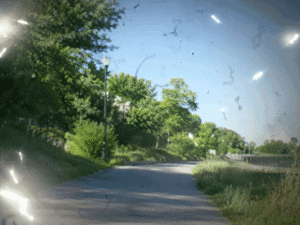
Seeing Spots in Vision? Common Causes and When to See an Eye Doctor
Seeing spots in vision can feel unsettling, especially when the spots appear suddenly, move across your sight, flash with light, or look like shadows, cobwebs, dots, zigzags, or colored shapes. Sometimes these changes come from common age-related floaters. Other times, they may signal a retinal tear, retinal detachment, migraine aura, bleeding in the eye, inflammation, or another eye condition that needs prompt care.
The most important thing is timing. A few long-standing floaters may not be urgent, but sudden new spots, flashes of light, blurred vision, or a curtain-like shadow should be evaluated right away.
“Spots” can describe several different visual experiences. Some people see small black dots that drift when they move their eyes. Others notice clearcircles, graystrings, cobwebs, brightflashes, sparklinglights, shimmeringzigzags, or blindspots. These details matter because different patterns can point to different causes. Floaters usually move when you move your eyes. Migraine aura often creates shimmering or colored patterns that build gradually and may affect both eyes.
Retinal warning signs may include sudden floaters, flashes, blurred vision, or a dark shadow in part of your vision.
A comprehensive exam helps your eye doctor determine whether the problem is harmless, needs monitoring, or requires urgent treatment.
When Seeing Spots Is An Eye Emergency
Do not wait for a routine appointment if your vision changes suddenly. Call an eye doctor or seek urgent care right away if you notice:
A sudden shower of new floaters
Flashes of light in one or both eyes
A dark curtain, veil, or shadow in your vision
Sudden loss of side vision
Sudden blurry vision with new spots
Eye pain, severe redness, or light sensitivity
Spots after an eye injury
Vision changes after recent eye surgery
These symptoms can suggest a retinal tear, retinal detachment, bleeding, inflammation, infection, or another serious condition. Early diagnosis can help protect your vision.
Eye Floaters Are A Common Cause Of Spots
Floaters are small shapes that seem to drift across your field of vision. They may look like dots, threads, circles, specks, or cobwebs. Floaters are often most noticeable when looking at a bright wall, white screen, or clear sky.
Many floaters happen when the vitreous, the gel-like substance inside the eye, changes with age. As the vitreous becomes more liquid, small clumps can form and cast shadows on the retina. Those shadows are what you see as floaters.
Floaters are more common with age, nearsightedness, diabetes, previous eye trauma, and some eye surgeries. Long-standing floaters may become less noticeable over time, but new or increasing floaters should always be checked.
Flashes And Floaters Can Signal Retinal Problems
Floaters become more concerning when they appear suddenly or are accompanied by flashes of light. Flashes may happen when the vitreous pulls on the retina. In some cases, that pulling can create a retinal tear. If fluid passes through the tear, the retina can detach from the back of the eye.
A retinal detachment can cause permanent vision loss without prompt treatment. Warning signs may include new floaters, flashes, blurred vision, loss of side vision, or a curtain-like shadow.
An eye doctor can check for retinal tears or detachment with a dilated eye exam. Depending on the diagnosis, treatment may involve laser therapy, cryotherapy, surgery, or referral to a retina specialist.
Migraine Aura Can Cause Colored Spots Or Zigzags
Not every spot comes from the eye itself. Migraine aura can cause visual symptoms such as shimmering spots, zigzag lines, flashes, blind spots, or kaleidoscope-like patterns. These symptoms may happen before a migraine headache, during a migraine, or without head pain.
Migraine aura often builds gradually and may last several minutes to about an hour. Many auras affect both eyes, even when they feel stronger on one side of your vision.
New visual symptoms should not be automatically dismissed as migraine. Schedule an evaluation if your symptoms are new, frequent, severe, one-sided, last longer than usual, or feel different from previous migraine patterns. Sudden vision loss in one eye should be treated as urgent.
Cataractsusually cause cloudy vision, glare, halos, faded colors, or night driving problems rather than drifting spots. Still, patients sometimes describe glare or haze as “spots,” especially in bright light. If glare and night driving are becoming harder, Wellish Abrams Vision Institute’s cataract care page can help you understand when cataracts may be part of the problem.
Glaucoma does not usually cause sudden spots, but it can damage peripheral vision over time. If your symptoms include side-vision loss, halos, eye pain, or pressure concerns, your doctor may recommend glaucoma testing.
How An Eye Exam Finds The Cause
A comprehensive eye exam does more than check whether you need glasses. Your doctor can evaluate the front and back of the eye, check your vision, measure eye pressure, examine the retina, and dilate your pupils when needed.
At Wellish Abrams Vision Institute, a comprehensive eye exam may include visual acuity testing, refraction, dilation, slit lamp testing, tonometry, and other testing based on your symptoms. This helps your provider determine whether the spots are due to floaters, retinal changes, migraine-related visual symptoms, cataracts, glaucoma, inflammation, or another cause.
If spots appear with blurred vision, Wellish Abrams Vision Institute’s guide to the causes of blurred vision can also help explain why an exam matters when vision becomes unclear. If vision changes affect your confidence while driving, the article on eyesight and driving as you age offers additional guidance for older adults.
Schedule An Eye Exam In Las Vegas Or Henderson
Seeing spots in vision can be harmless, but new or changing spots should not be ignored. Floaters, flashes, blurry vision, or shadows in your vision may indicate a retinal problem, a migraine aura, or another eye condition that needs an exam.
Wellish Abrams Vision Institute provides comprehensive eye exams for patients in Las Vegas, Henderson, and nearby Southern Nevada communities. During your visit, your eye doctor can examine your retina, assess your eye health, and help determine the cause of the spots in your vision.
If you notice new spots, sudden floaters, flashes of light, blurry vision, or changes in side vision, schedule an eye exam with Wellish Abrams Vision Institute today. If symptoms come on suddenly or include a curtain-like shadow, sudden vision loss, or eye pain, call right away or seek urgent care.
FAQ: Seeing Spots In Vision
Seeing spots in vision may come from floaters, migraine aura, retinal changes, bleeding, inflammation, eye injury, or another eye condition. The cause depends on whether the spots are new, moving, flashing, colored, one-sided, or linked with other symptoms.
Floaters may be urgent if they appear suddenly, increase quickly, come with flashes of light, or appear with blurry vision, side-vision loss, or a curtain-like shadow. These symptoms may suggest a retinal tear or retinal detachment.
They can be. Flashes and a sudden increase in floaters are warning signs that should be evaluated promptly, especially if you also notice a shadow, curtain, or loss of peripheral vision.
Yes. Migraine aura can cause colored spots, shimmering lights, zigzag patterns, blind spots, or temporary visual disturbance. New, frequent, severe, or one-eye symptoms should be evaluated to rule out other causes.
Floaters often become more noticeable against bright, plain backgrounds because they cast small shadows on the retina. If the spots are new or suddenly worse, schedule an eye exam.
Yes. Diabetes and high blood pressure can affect blood vessels in the eye and may contribute to bleeding, retinal disease, or other vision changes. Patients with these conditions should keep regular comprehensive eye exams.
An eye doctor may check visual acuity, eye pressure, eye movement, the front of the eye, and the retina. A dilated eye exam allows the doctor to look for floaters, retinal tears, detachment, bleeding, inflammation, or other eye disease.
Wellish Abrams Vision Institute provides comprehensive eye exams in Las Vegas and Henderson. Schedule an appointment if you notice new spots, floaters, flashes, blurry vision, or other changes in your vision.
Related Posts
Schedule Your Eye Exam Today
If blurry vision, eye strain, changing prescriptions, dry eyes, or trouble seeing clearly is affecting your daily life, it may be time to schedule a comprehensive eye exam. Wellish Abrams Vision Institute provides eye care for patients in Las Vegas, Henderson, and nearby Southern Nevada communities.
To provide the best experiences, we use technologies like cookies to store and/or access device information. Consenting to these technologies will allow us to process data such as browsing behavior or unique IDs on this site. Not consenting or withdrawing consent, may adversely affect certain features and functions.
Functional
Always active
The technical storage or access is strictly necessary for the legitimate purpose of enabling the use of a specific service explicitly requested by the subscriber or user, or for the sole purpose of carrying out the transmission of a communication over an electronic communications network.
Preferences
The technical storage or access is necessary for the legitimate purpose of storing preferences that are not requested by the subscriber or user.
Statistics
The technical storage or access that is used exclusively for statistical purposes.The technical storage or access that is used exclusively for anonymous statistical purposes. Without a subpoena, voluntary compliance on the part of your Internet Service Provider, or additional records from a third party, information stored or retrieved for this purpose alone cannot usually be used to identify you.
Marketing
The technical storage or access is required to create user profiles to send advertising, or to track the user on a website or across several websites for similar marketing purposes.